
Capcom’s iconic `Resident Evil` series has enjoyed a resurgence in recent years, delivering diverse horror experiences from the raw terror of `Resident Evil 7` to the action-packed thrills of the `Resident Evil 4 remake`. Now, with `Resident Evil Requiem`, Capcom aims to synthesize these acclaimed elements into a singular, terrifying new chapter. Does this ambitious amalgamation elevate the franchise’s recent triumphs, or does it signal a discordant note in its ongoing success? Prepare your first aid sprays, because we’re diving deep into the grim details.

The narrative thrust of `Resident Evil Requiem` initially places you in the shoes of Grace Ashcroft, a fresh FBI analyst. Her connection to the series runs deeper than most: she’s the daughter of Alyssa Ashcroft, a character last seen in the cooperative `Resident Evil Outbreak` titles. A haunting flashback reveals Alyssa’s brutal, unexplained murder. Years later, fate intervenes as Grace is assigned to investigate a series of Raccoon City survivor deaths, leading her directly to the hotel where her mother met her demise. A rather unfortunate coincidence, to say the least. Unsurprisingly, the scene proves to be a deadly trap. Grace is soon enveloped by a new form of zombie infection and falls captive to Dr. Victor Gideon, a monstrous, Frankenstein-esque figure with unsettling ties to the ever-present Umbrella Corporation.

Enter Leon Kennedy, a familiar face who, despite likely being in his fifties, impressively defies the aging process. He’s also tracking the Raccoon City survivor deaths and arrives just in time to witness Grace’s abduction by Dr. Gideon. Complicating matters, Leon himself is afflicted by a mysterious, gangrenous black growth, a peculiar symptom appearing among other Raccoon City survivors. The plot then bifurcates, allowing players to follow both Grace’s and Leon’s intertwined journeys as they confront hordes of the undead and peel back layers of classic `Resident Evil` conspiracies. Unraveling the mystery behind Grace’s mother’s death, the true nature of Emily—a young blind girl Grace discovers imprisoned—the elusive “Elpis,” and Dr. Gideon’s relentless pursuit of it, forms the core of this terrifying saga.

While `Requiem`’s narrative structure echoes recent franchise installments, starting strong before becoming somewhat entangled in excessive lore, it ultimately delivers a story that’s arguably above average for the series. However, for those anticipating significant character growth for Leon, the game offers only superficial attempts at emotional depth amidst his signature one-liners. This narrative truly belongs to Grace, whose journey drives the emotional core.

Indeed, Grace stands out as Capcom’s most compelling new protagonist since the original quartet of Chris, Jill, Leon, and Claire. Unlike previous obscured heroes, Grace’s face is always visible, a crucial decision given her phenomenal character model. Capcom’s cutting-edge technology brings her to life with subtle expressions, individual beads of sweat, and meticulously rendered hair, contributing significantly to her grounded and vulnerable portrayal.
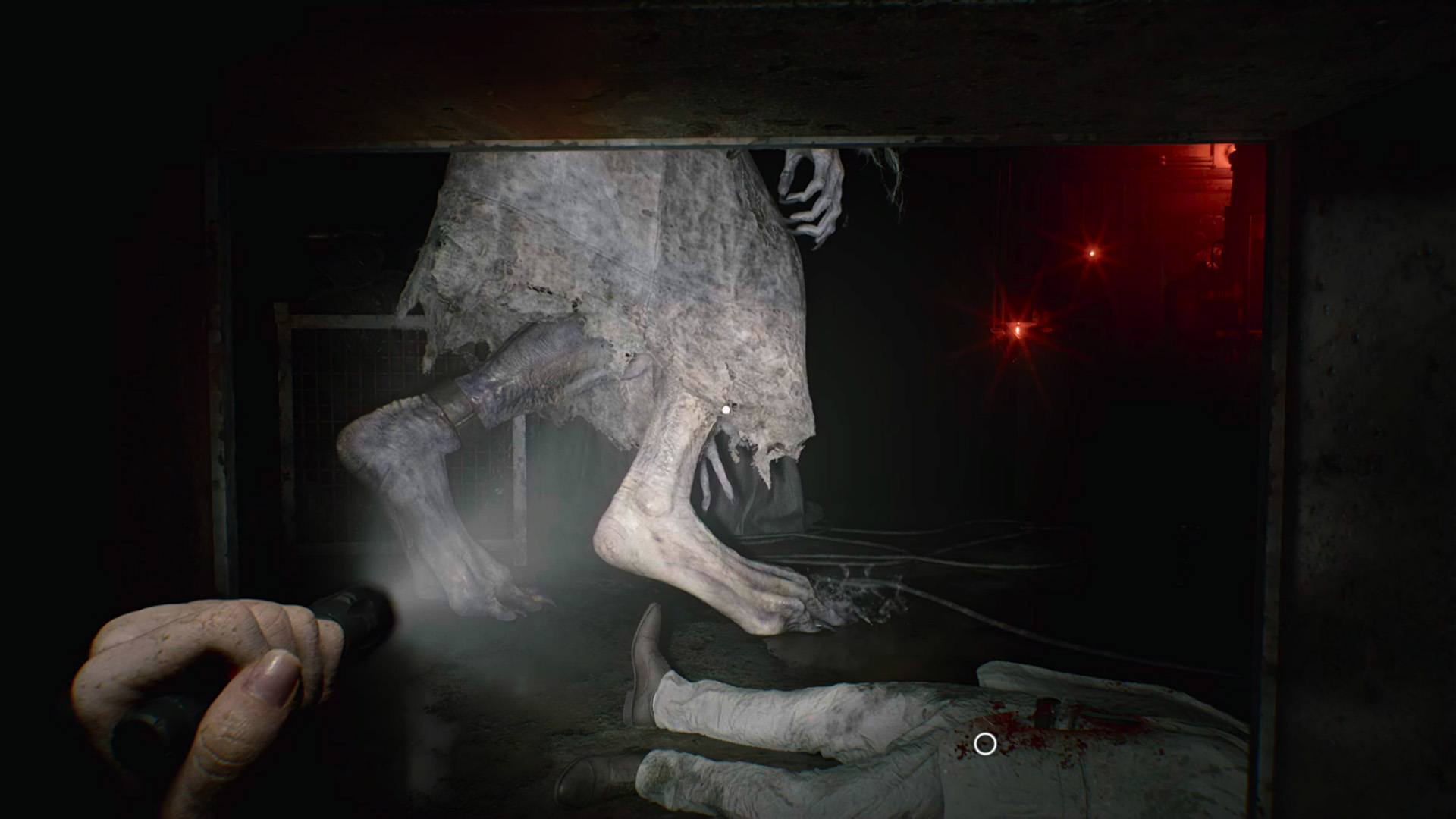
Visually, `Resident Evil Requiem` is a tour de force. PlayStation 5 Pro players benefit from ray tracing, while PC users can experience full path tracing, significantly enhancing the game’s already potent atmosphere. On the standard PS5, the game maintains a consistently smooth 60 frames per second. Its masterful use of light and shadow is particularly effective, making every graphically intense shotgun blast and visceral death scene—this is unequivocally the goriest `Resident Evil` installment yet—resonate with brutal impact.
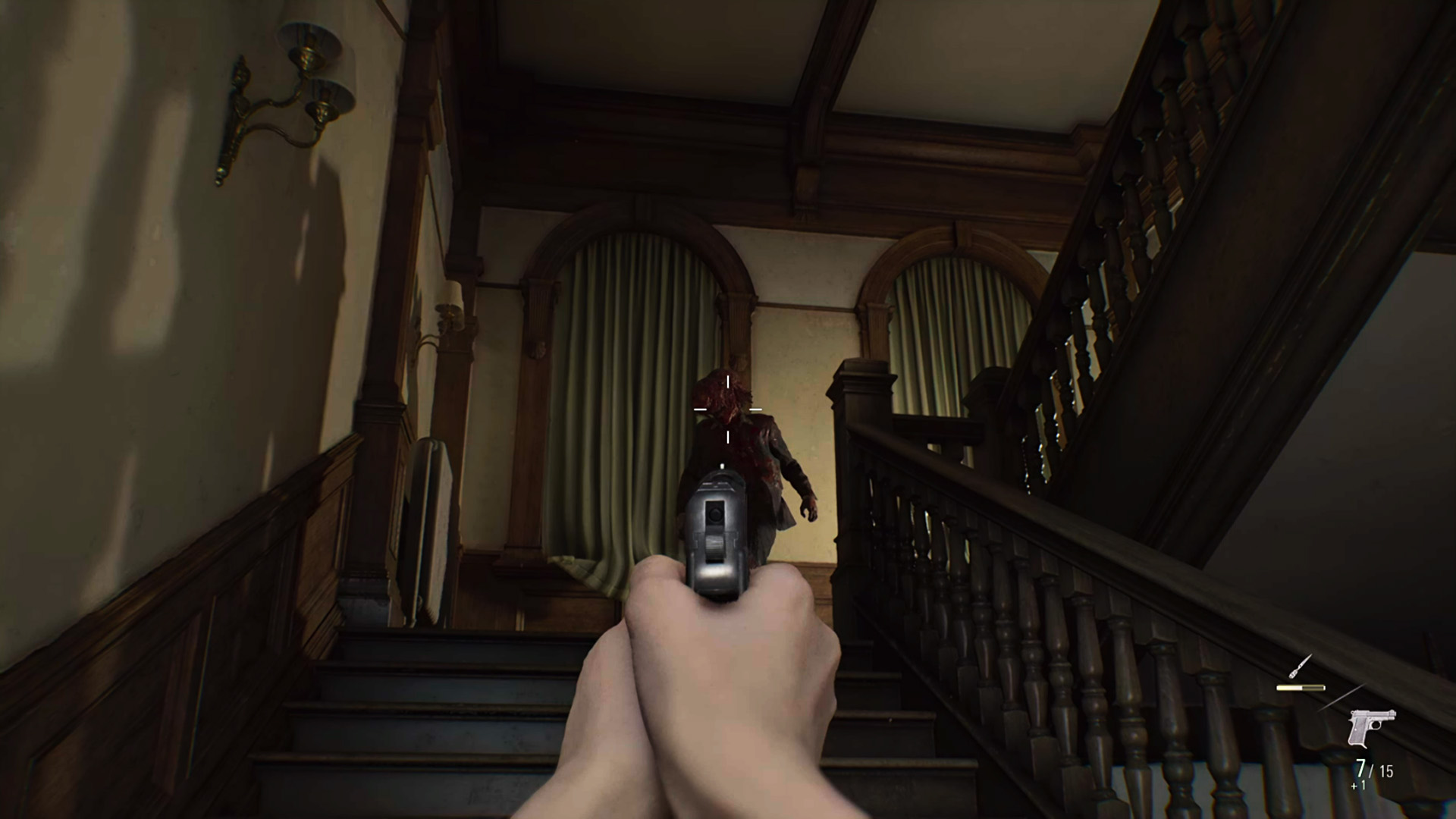
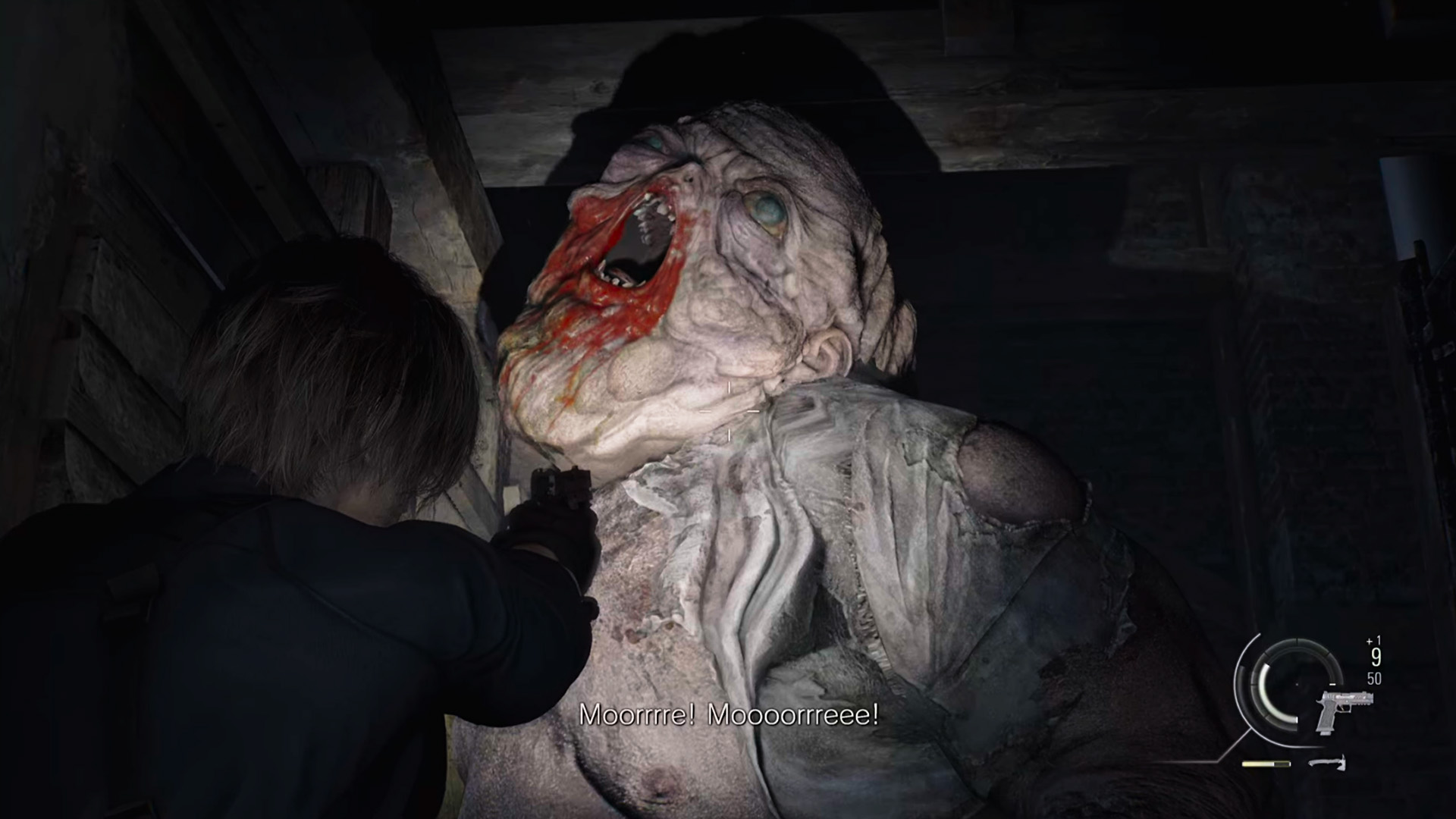
After an initial setup, the gameplay settles into a gripping rhythm. Players primarily navigate the Rhodes Hill Chronic Care Centre as Grace, in segments lasting a couple of hours, punctuated by shorter 20- to 30-minute interludes as Leon. Grace’s sections are a pure homage to classic `Resident Evil 2 remake` survival horror. The hospital itself is a classic labyrinth, brimming with improbable puzzles, uniquely shaped keys, and a disturbing cast of ‘stalker’ adversaries. The tension is palpable, and Capcom’s innovative take on zombies—which retain quirks from their living selves, like compulsively switching off lights or cleaning blood—adds a fresh layer of dread.
Grace’s segments push the ‘survival’ aspect of survival horror further than any recent entry. Armed only with a pistol, a powerful but ammo-scarce magnum-like weapon, and a few throwable items, resources are severely limited. A new crafting system, centered around collecting infected blood from fallen enemies, is vital for resupply. Moreover, a terrifying mechanic reminiscent of `Resident Evil Remake`’s Crimson Heads returns: zombies can reanimate as even more dangerous “Blister Heads” unless permanently dispatched. These sections epitomize the most challenging, intense, and nail-biting `Resident Evil` gameplay.

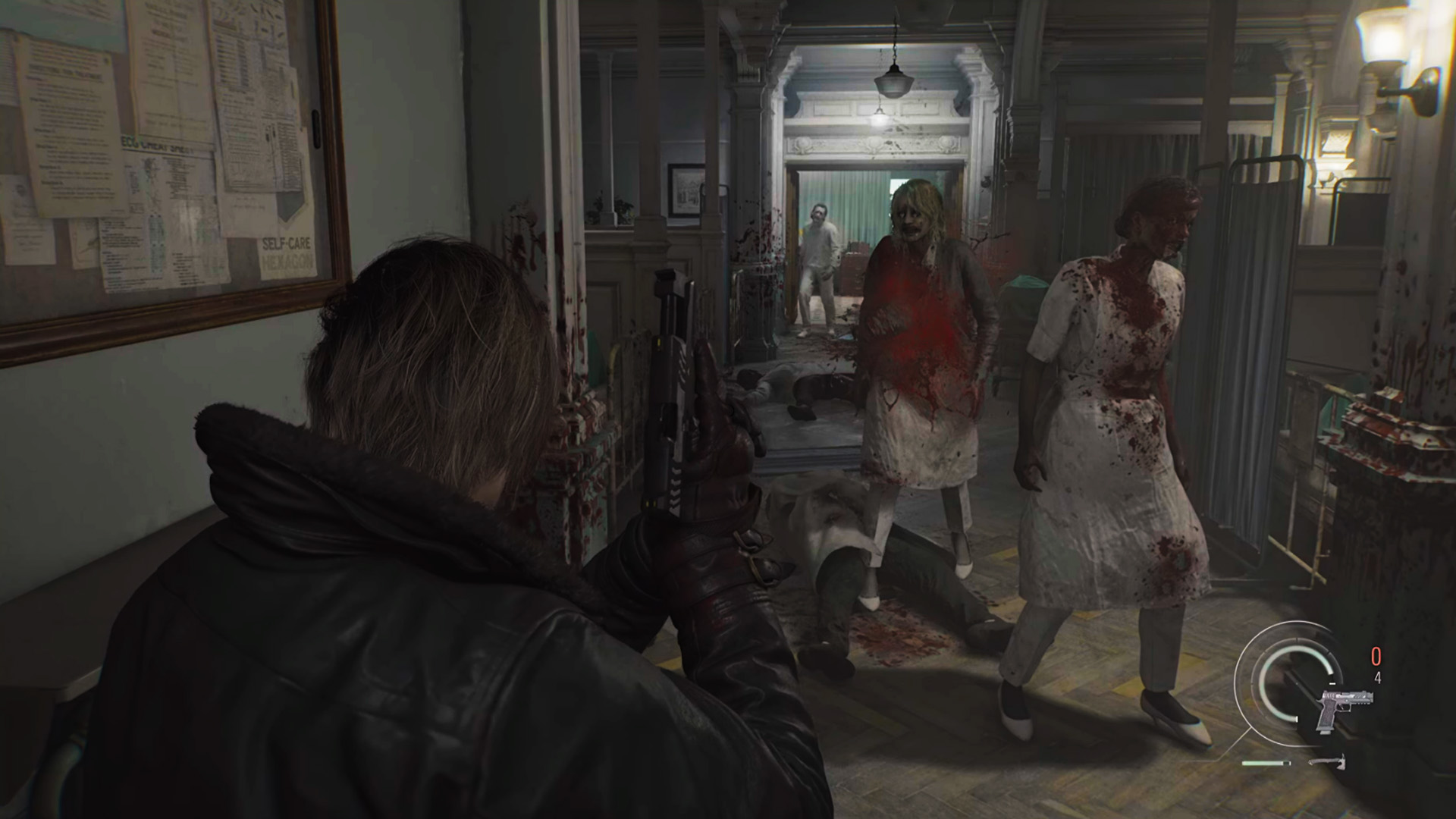
Conversely, Leon’s interludes veer distinctly into `Resident Evil 4` territory, characterized by explosive, action-packed set pieces and his trademark quips. Initially, the stark contrast between these and Grace’s horror-focused segments felt jarring, particularly an early Leon scene in the hospital involving zombies and chainsaws that bordered on bloody slapstick. However, these sequences eventually find their stride as welcome pressure-release valves after the relentless psychological strain of Grace’s encounters.
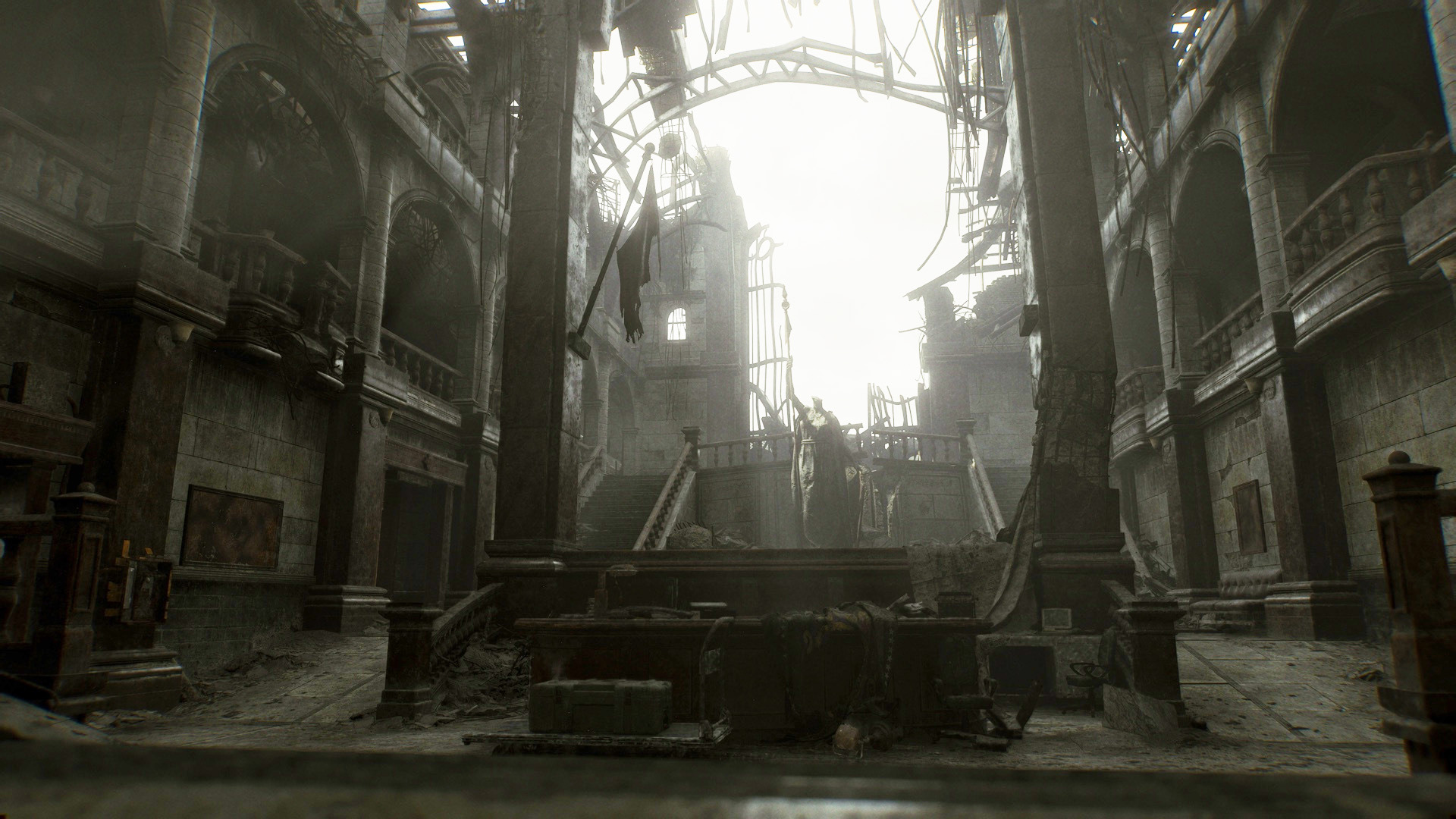
Yet, `Resident Evil Requiem` takes a sharp turn at its midpoint. As previously revealed in promotional materials, the game shifts to the desolate ruins of Raccoon City, fundamentally altering both its tone and gameplay mechanics.
Leon assumes the role of the primary protagonist during this phase, and while not fully open-world, the design transitions to a “wide-linear” approach, akin to sections of `The Last of Us Part II`. An arcade-style scoring system is introduced, allowing players to exchange points for new gear, ammunition, and healing items at storage boxes. The unsettlingly unique zombies from the first half give way to more generic ghouls that simply emerge from the ground, causing the meticulously crafted tension to largely dissipate.
My initial reaction to the Raccoon City section was one of considerable disappointment. Having thoroughly enjoyed `Requiem`’s initial hours, which felt like a masterful evolution of the `Resident Evil 2 remake`’s suspense, this shift felt like a significant step down, reminiscent of the more action-oriented but less impactful `Resident Evil Revelations` titles. Furthermore, Grace largely vanishes during this extensive segment. While I eventually found enjoyment in these sections, they simply couldn’t compare to the brilliance that preceded them.
Thankfully, `Resident Evil Requiem` regains its footing in its closing hours, returning to a more focused path. It thoughtfully references and reinterprets iconic elements from `Resident Evil 2`, a treat for dedicated fans. Grace also makes a welcome return for an extended playable sequence, with the tension intensifying accordingly.
In the end, while Capcom’s ambition is undeniable, `Resident Evil Requiem` perhaps attempts to accomplish too much, serving up a veritable ‘every-flavor’ buffet of `Resident Evil` experiences, augmented by a few new ingredients. It features the classic survival horror of `Resident Evil 2`, the visceral intensity of `Resident Evil 7`, the explosive action of `Resident Evil 4`, the tongue-in-cheek extravagance of `Resident Evil Village`, dread-filled haunted house segments, slightly clunky combat-heavy sections reminiscent of `Resident Evil Revelations`, and even a Mad Max-style motorcycle battle. While each of these elements is competent (to varying degrees) in isolation, their cumulative effect can feel somewhat disjointed. The most acclaimed `Resident Evil` entries, such as `Resident Evil 4` and `Resident Evil 7`, typically excel by committing to a singular tone and style. Regardless, `Resident Evil Requiem` is an undeniable odyssey, offering a substantial 15-hour campaign that feels twice as long due to the sheer volume of content Capcom has packed in. Whether this ‘Resident Evil Retrospective’ approach resonates will ultimately depend on individual player preference.