The Technical Reality of Crimson Desert Multiplayer
The current state of Crimson Desert represents a significant architectural shift from its initial reveal. As of its 2026 launch, Crimson Desert is a 100% single-player game with no co-op, PvP, or shared world systems of any kind. While the title was conceptualized within the framework of a massively multiplayer environment, the final build focuses on a high-fidelity solo campaign. The developer, Pearl Abyss, has prioritized internal engine optimization to deliver a cinematic experience that pushes current-gen hardware to its absolute limits without the network overhead required for synchronized multiplayer instances.

Development Evolution: From MMORPG to Premium Solo Experience
The game was originally announced as an MMO prequel to Black Desert Online before undergoing a massive development pivot toward a standalone narrative. During the G-STAR 2019 reveal, the project was framed as a social experience where players could transition between solo story beats and multiplayer modes seamlessly. However, as the scope of the BlackSpace Engine expanded, the developers opted to strip out these online layers to ensure the combat mechanics and environmental physics remained uncompromised by netcode latency or server-side bottlenecks.
The Departure from Black Desert Online Canon
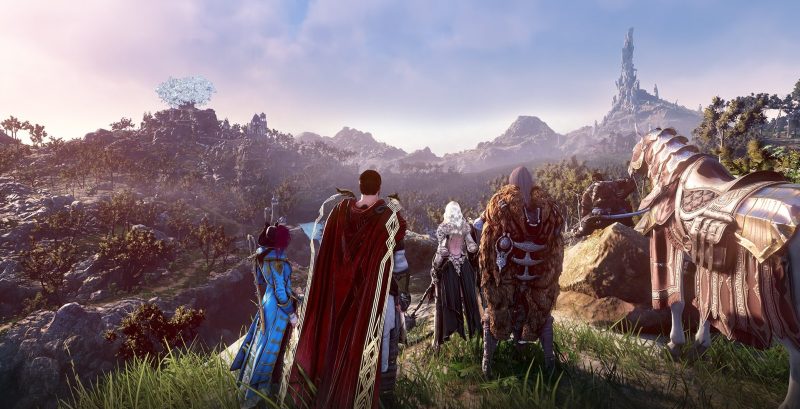
Unlike its predecessor, which relies heavily on RNG-based progression and live-service monetization, Crimson Desert has been rebuilt as a premium experience. The connectivity to the Black Desert universe has been largely severed, allowing the team to craft a bespoke protagonist, Kliff, and a world where player agency isn’t hampered by the balancing requirements of a competitive multiplayer ecosystem.
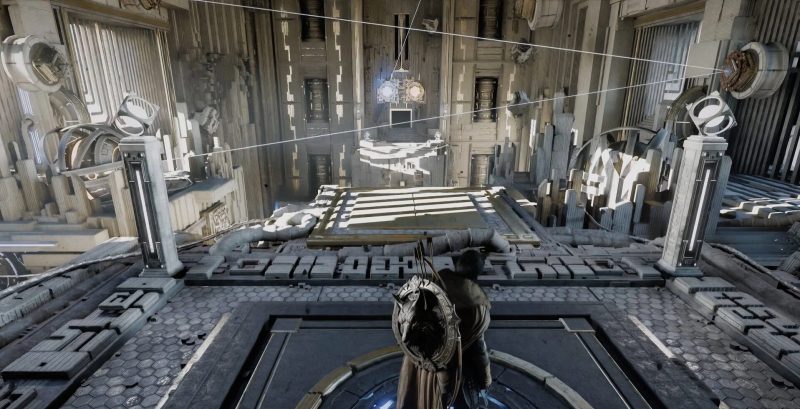
Pearl Abyss has transitioned Crimson Desert into a premium single-player experience with zero microtransactions or pay-to-win mechanics at launch. This decision ensures that every piece of high-tier gear and every tactical advantage is earned through exploration and mastery of the complex combat hitboxes rather than through an external marketplace.

Technical Constraints and Hardware Bottlenecks
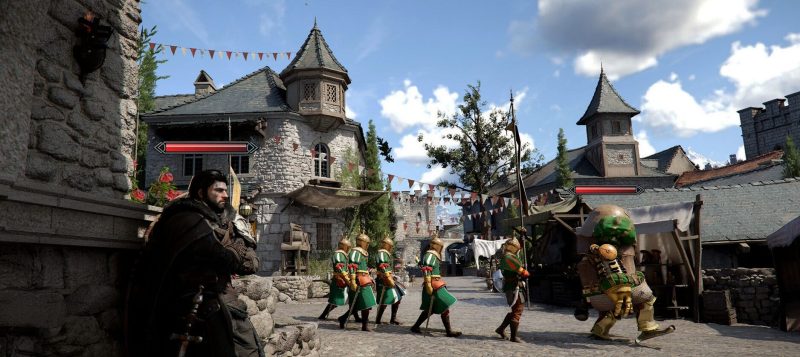
The March 2026 shareholders meeting provided the most transparent look at why multiplayer remains absent. CEO Heo Jin-young revealed that current hardware bottlenecks prevent multiplayer implementation without compromising the game high-end graphical fidelity and frame-rate stability. Internal testing showed that maintaining the sophisticated lighting, particle effects, and physics-based interactions in a shared networked environment resulted in unacceptable performance degradation on standard console and PC configurations.
The Conflict Between PR and Investor Relations
While PR channels flatly deny current multiplayer development, executive briefings have confirmed that online modes remain an active topic of evaluation based on market demand. This suggests a tiered roadmap where the technical foundation is established first, followed by potential instanced multiplayer DLC if the initial sales volume justifies the massive R&D expenditure required for server-side optimization.
Launch Feature Specifications
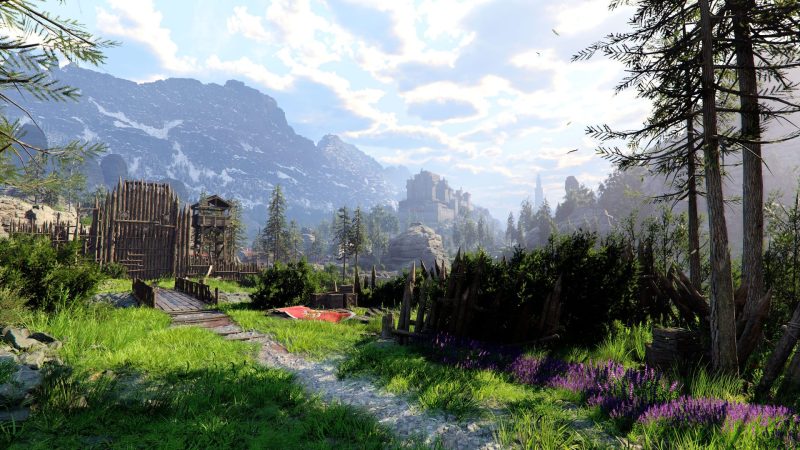
To provide a clear technical overview of the product shipping to consumers, the following specifications define the launch environment:
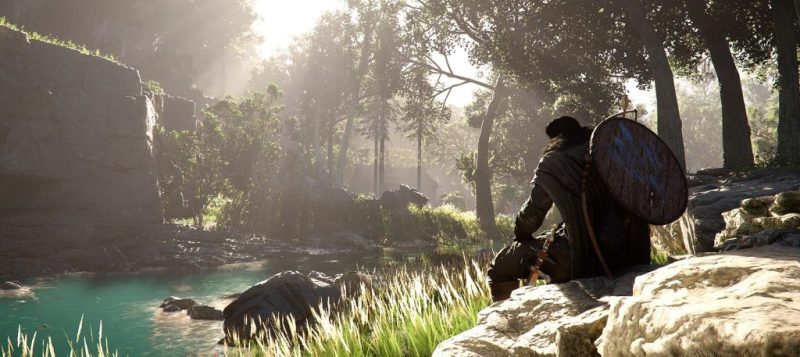
The launch version includes approximately 50-80 hours of narrative content featuring AI-controlled companions who assist in combat via contextual command systems. This approach allows for complex tactical maneuvers and scaling difficulty without the unpredictable nature of human-player latency impacting the combat flow.

The Post-Launch Roadmap: Multiplayer DLC Potential
Industry analysts point toward a specific model for any future online expansion. Any potential multiplayer expansion would likely function as a standalone mode similar to the GTA Online or RDR2 Online architecture rather than a co-op story integration. This would allow Pearl Abyss to downscale certain graphical assets specifically for the multiplayer mode to maintain networking stability while keeping the single-player campaign as a visual benchmark.
Commercial Impact on Development
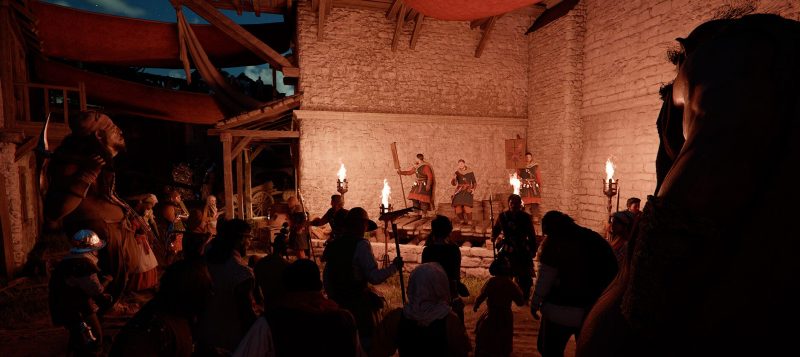
With a peak of 239,000 concurrent players on Steam, the strong commercial performance may greenlight future networking infrastructure R&D for the BlackSpace Engine. The studio has historically used its financial successes to fund massive engine overhauls, and the high sales forecast for Crimson Desert provides the necessary capital to solve the hardware limitations currently blocking multiplayer features.
Players should approach Crimson Desert as a self-contained solo journey while treating future multiplayer as a non-guaranteed bonus based on long-term scaling. The complexity of the Pywel ecosystem and the technical demands of the engine mean that any online transition will be a multi-year engineering project rather than a simple patch update.