The landscape of modern gaming is flooded with expansive environments, yet very few titles manage to capture the magic of true exploration. While the industry often leans on repetitive checklists, games like Elden Ring have shown that players crave a more organic experience. Entering this arena is Pearl Abyss, a studio moving away from its multiplayer foundations to craft a single-player epic that defies early skepticism. Crimson Desert delivers a dense and highly interactive open world that sets a new benchmark for the genre.
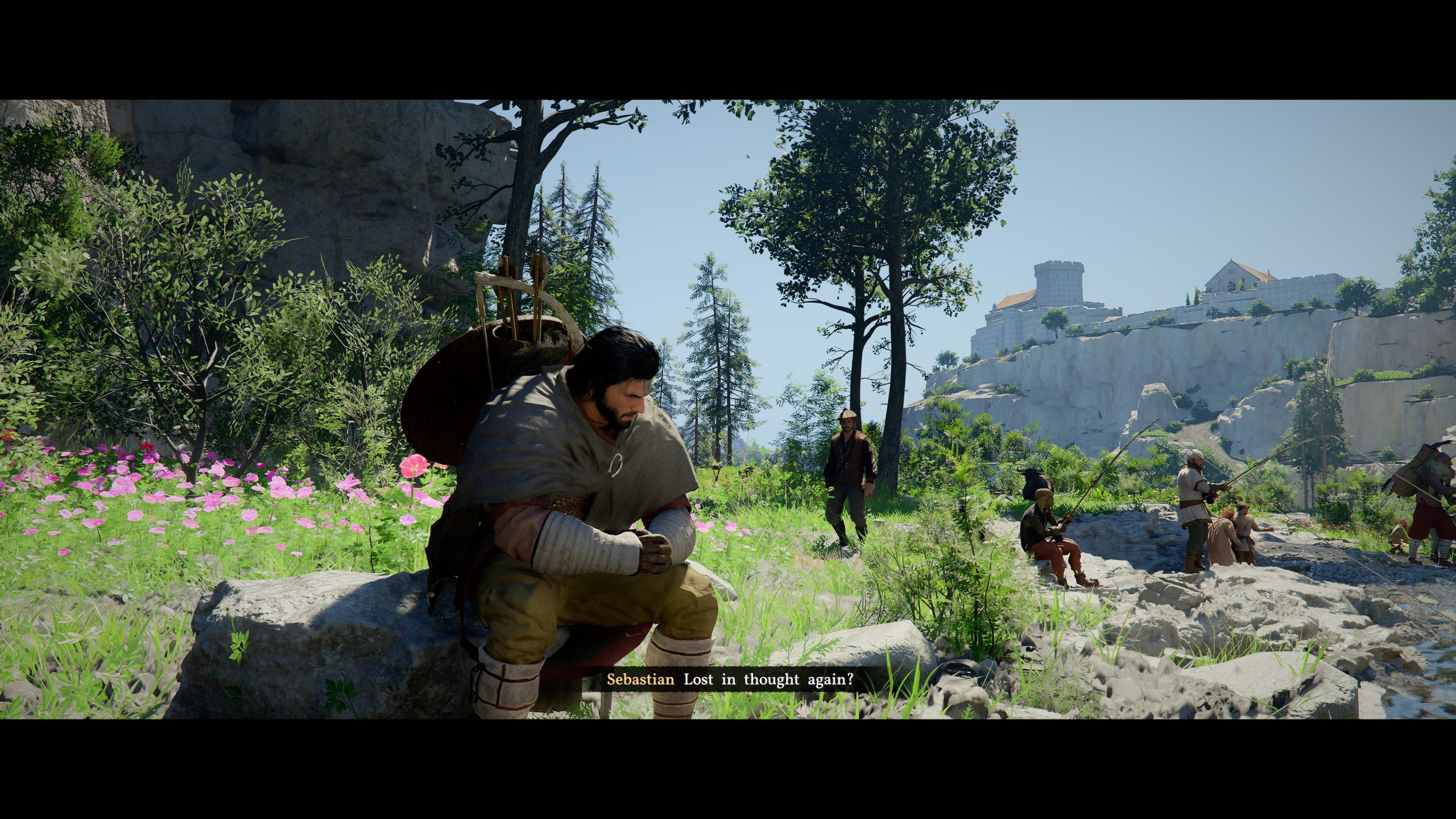
The narrative transports us to the continent of Pywel, a land currently mourning a monarch who has slipped into a deep slumber, leaving a vacuum of power. Players take control of Kliff Macduff as he leads his mercenary group through a fractured medieval landscape. After a brutal ambush by their rivals, the Black Bears, Kliff is left to pick up the pieces and seek vengeance for his fallen comrades. His journey eventually reveals a grander destiny involving ancient technology and the mysterious Abyss.
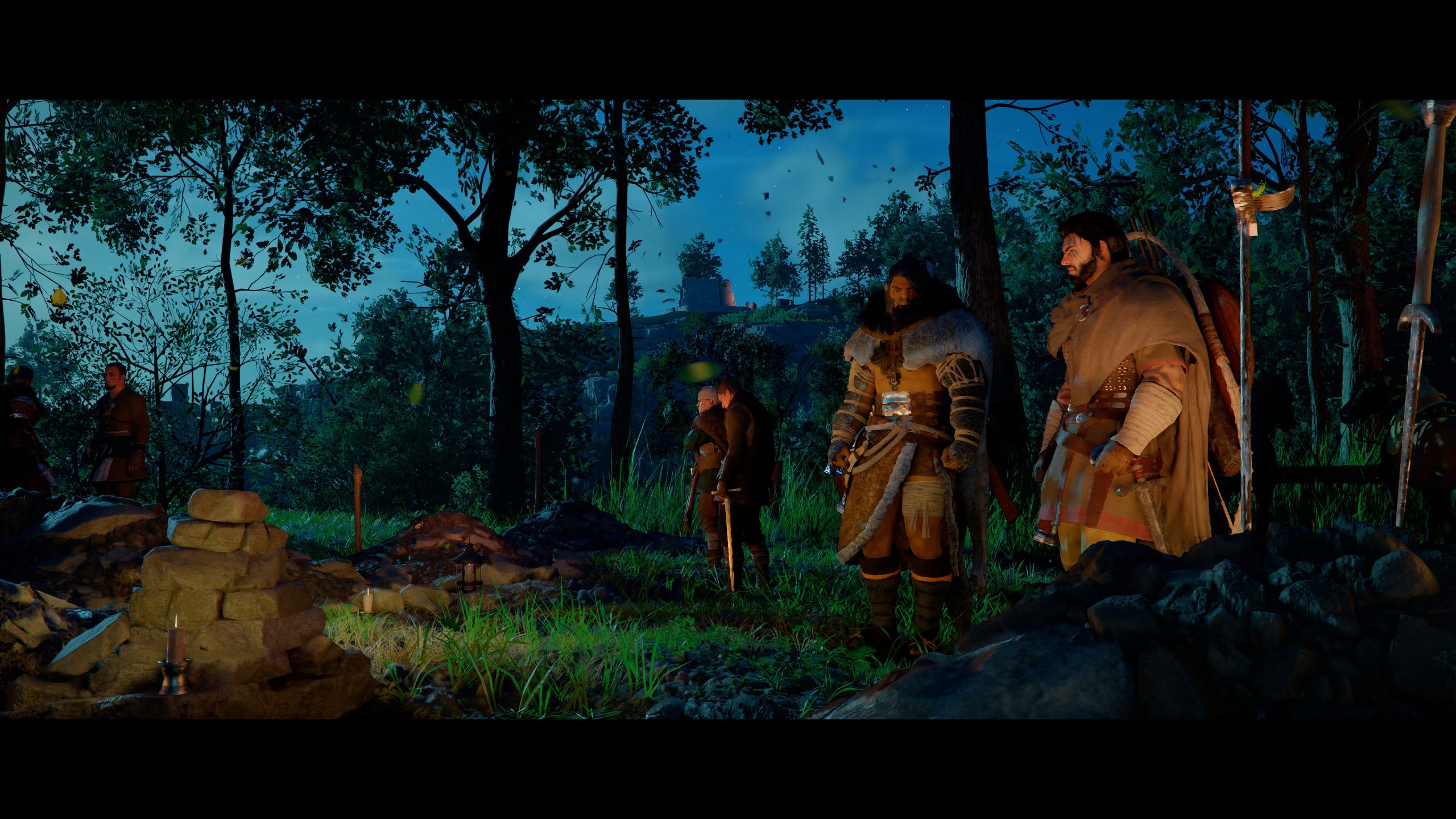
While the revenge-fueled plot provides a solid motivation, the storytelling occasionally feels detached. Kliff often accepts his role as a savior with little curiosity, jumping into dangerous situations without questioning his newfound powers. The early hours introduce various tutorials masked as chores, and while these tasks are mechanically engaging, they lack a strong narrative glue to keep characters feeling memorable in the beginning.
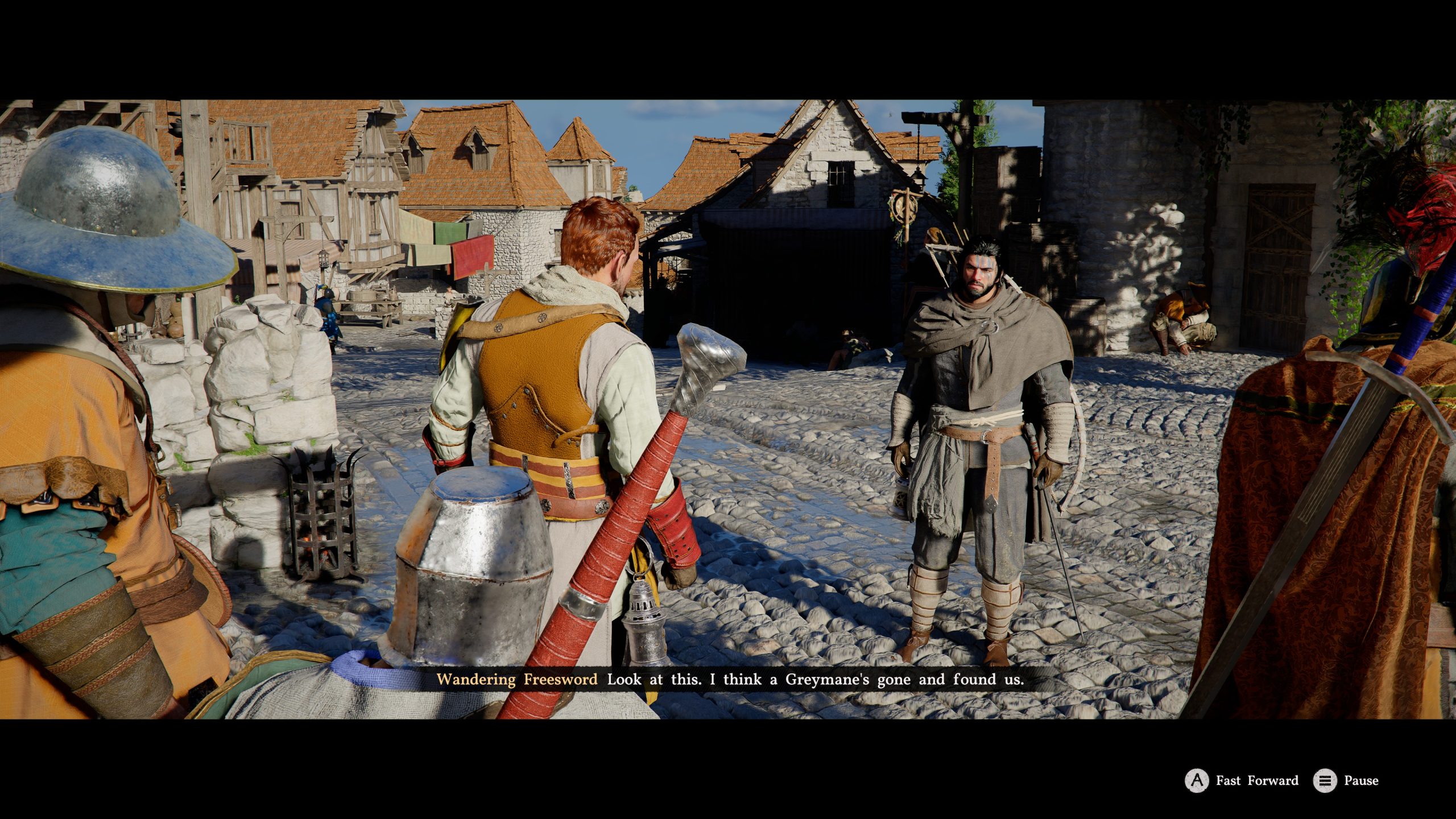
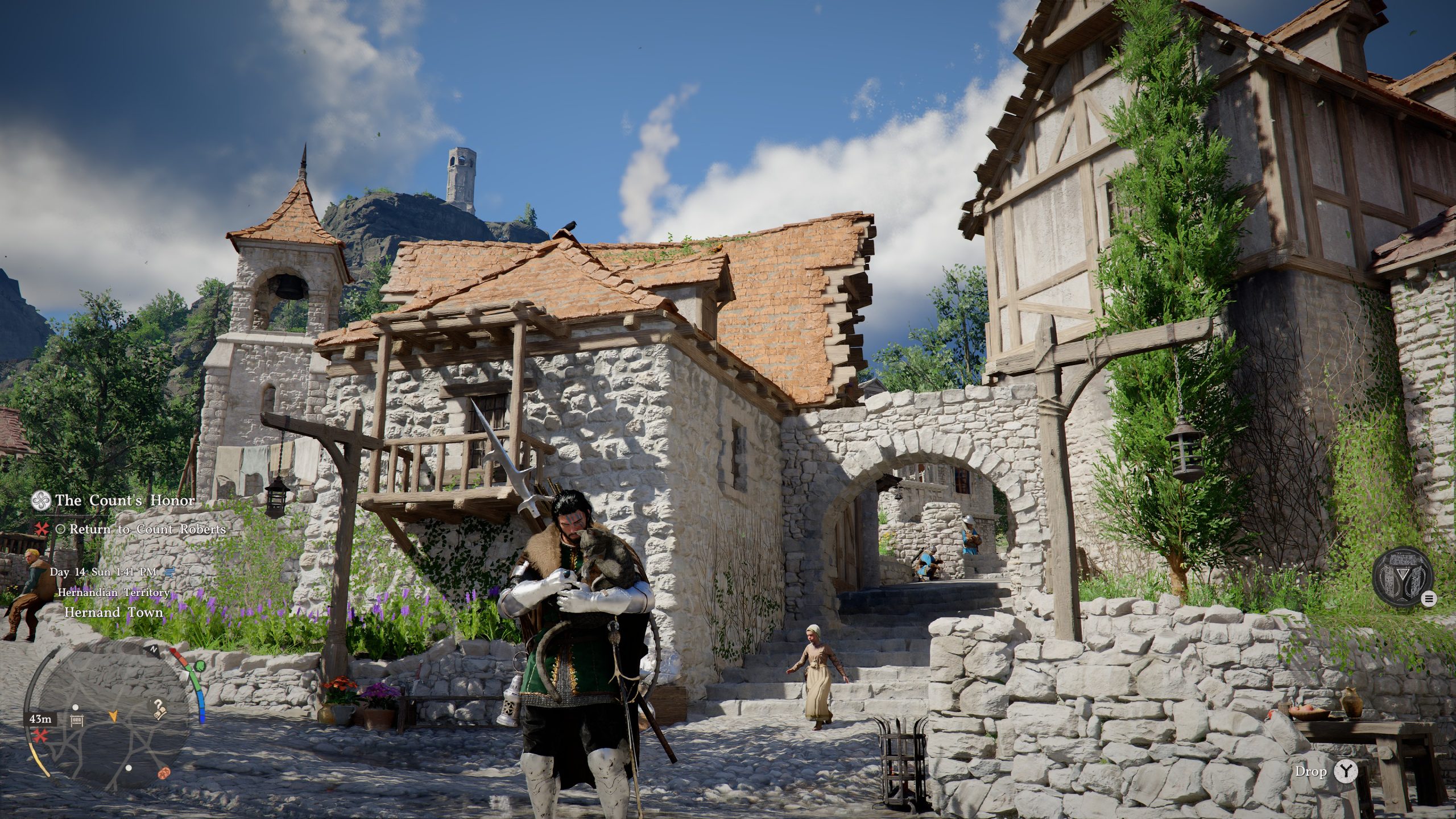
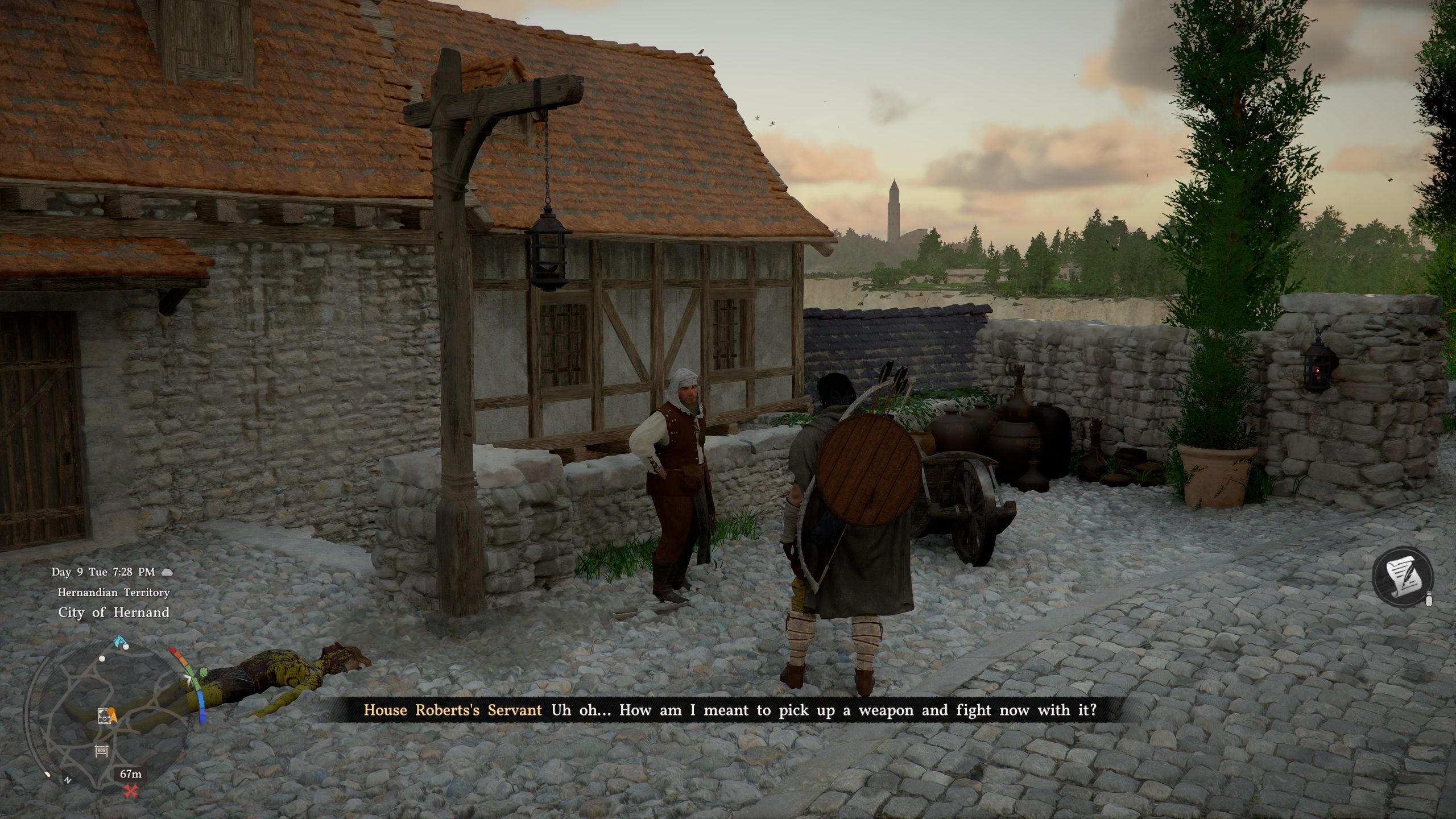
Fortunately, the sheer quality of the gameplay compensates for any narrative stumbles. Pywel is not just a backdrop but a fully reactive sandbox where almost every object can be manipulated. You can befriend local fauna, like cats that assist in gathering loot, or interact with an massive number of citizens who follow their own daily routines. This level of immersion makes the environment feel truly alive compared to traditional map-marker-heavy titles.
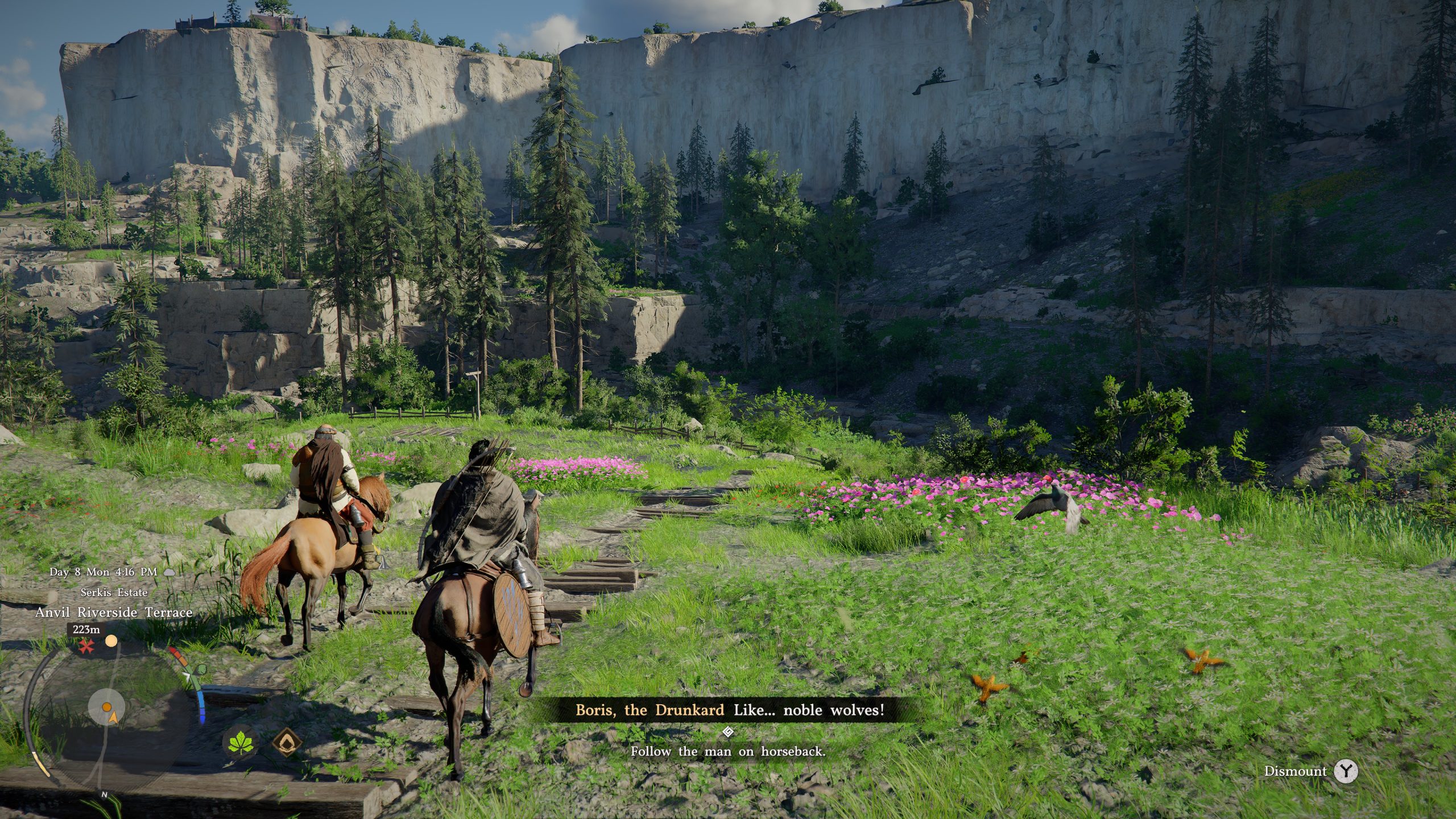
Creativity is encouraged in every encounter. Instead of following a rigid path, players can use physics and character abilities to bypass obstacles, such as scaling walls with high stamina or using a powerful palm strike to reach new heights. Despite some narrative disconnects and clunky interface choices, the sheer mechanical depth keeps the experience incredibly engaging. Whether you are destroying carts to free prisoners or using the environment to crush foes, the game rarely limits your approach.
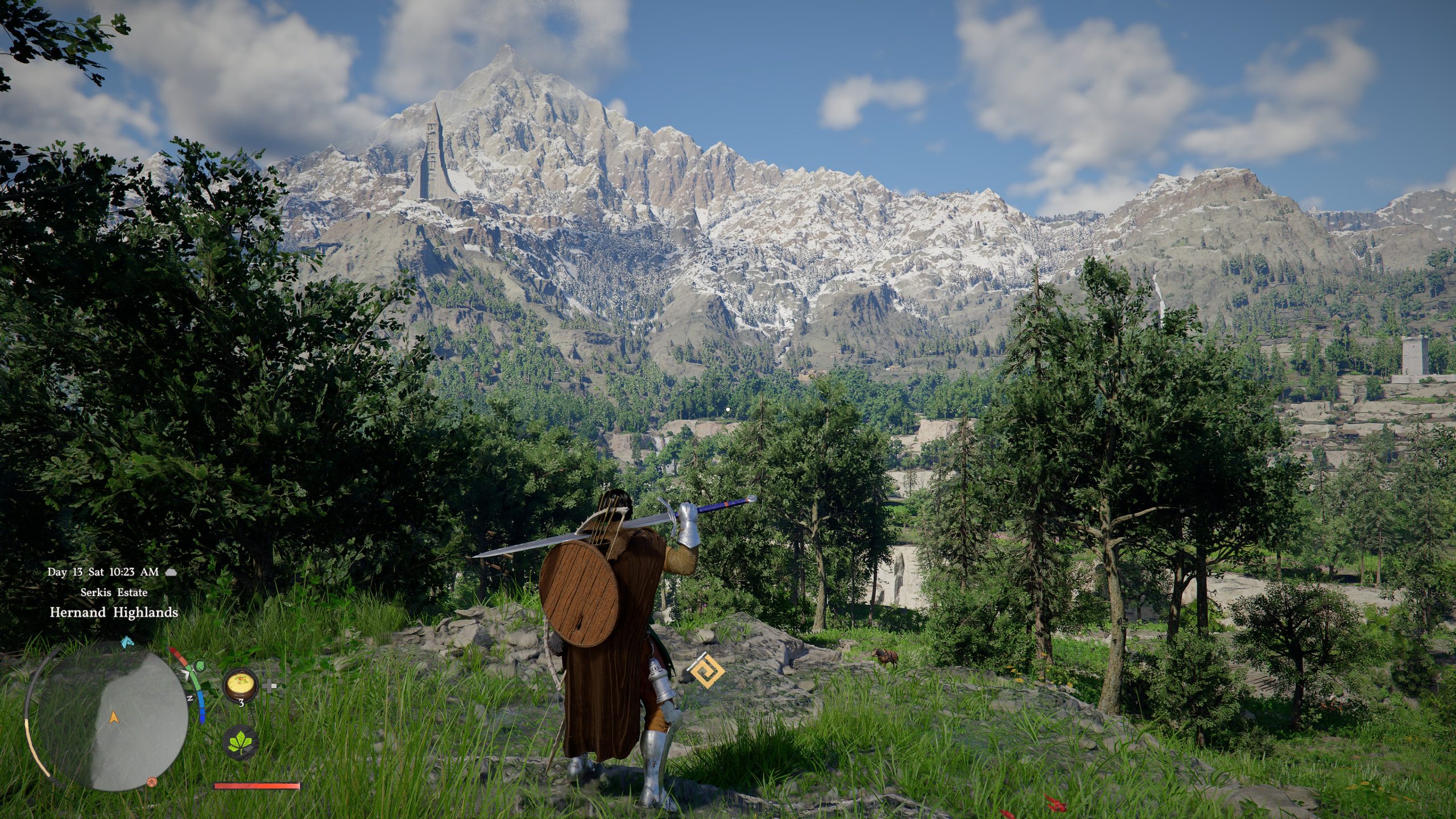
Exploration is further enhanced by vertical movement. Kliff can climb nearly any surface and eventually gains the ability to glide through the skies, making traversal through the dense forests and mountain ranges a highlight of the experience. The world is so packed with caves, camps, and secrets that the need for fast travel feels secondary to the joy of discovery.
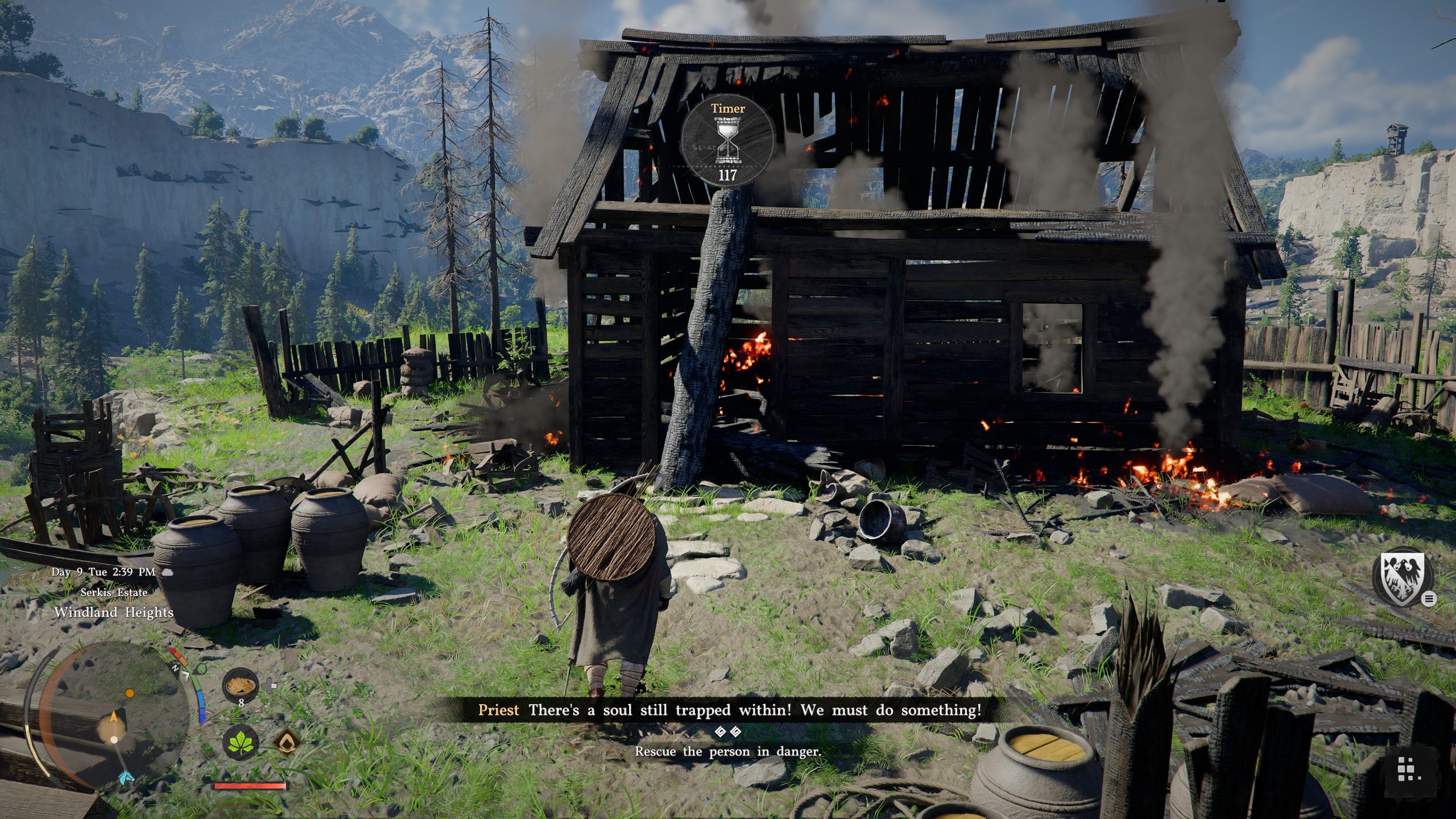
When it comes to battle, the game sets itself apart with an intricate combat engine. The combat system draws heavy inspiration from fighting games to offer a deep and rewarding mechanical experience. Moving beyond simple button mashing, players can learn complex strings, grapples, and aerial maneuvers that chain together effortlessly. It requires a learning curve, but mastering these skills allows for a level of player expression rarely seen in open-world adventures.
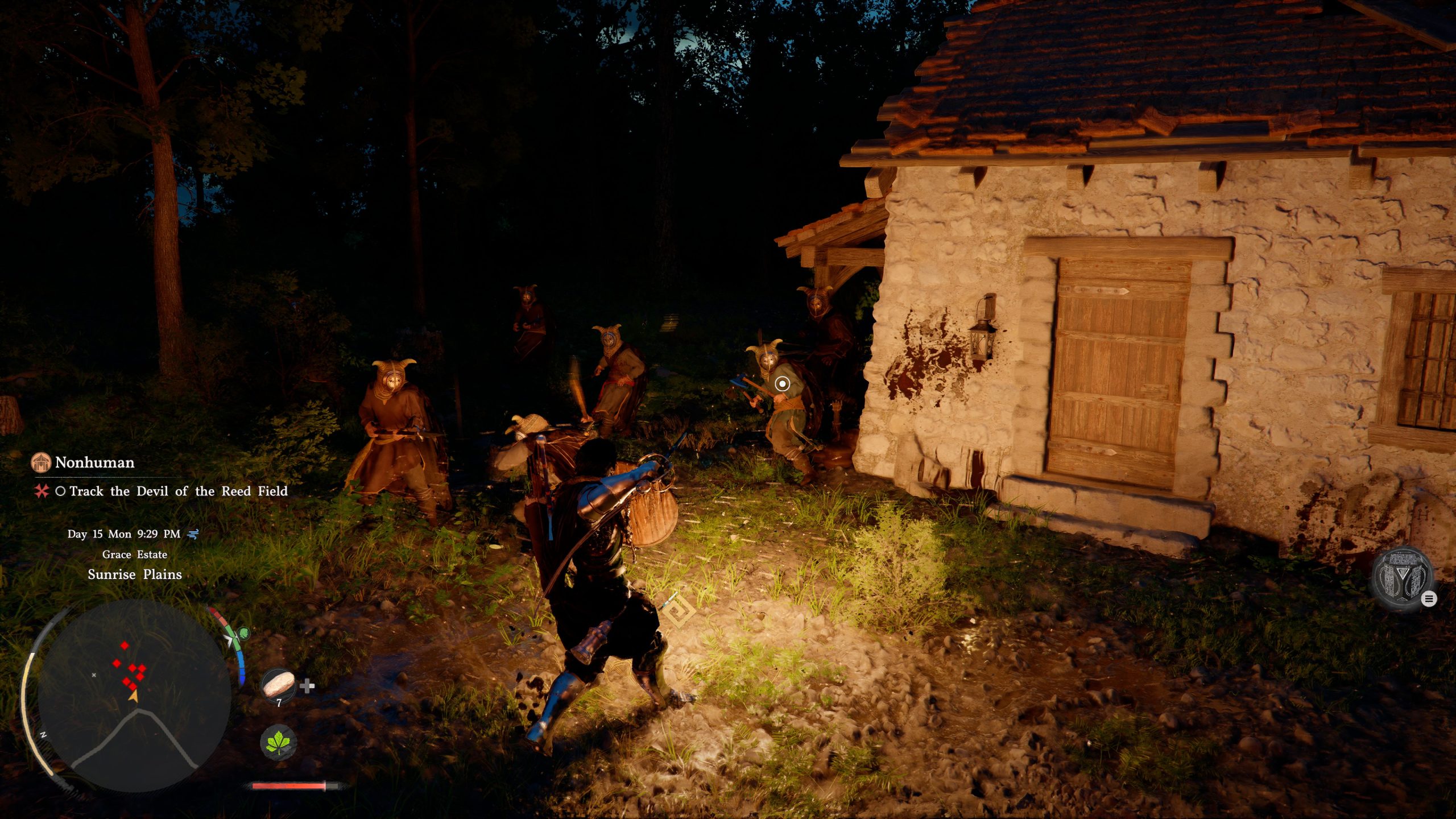
The enemy variety is equally impressive, featuring over 70 unique bosses that range from highly skilled duelists to colossal mythical beasts. Every major encounter feels distinct, often requiring players to utilize elemental combinations or environmental hazards to gain the upper hand. While some players might find the complexity overwhelming initially, the system becomes incredibly satisfying once you unlock the full potential of Kliff and his companions.
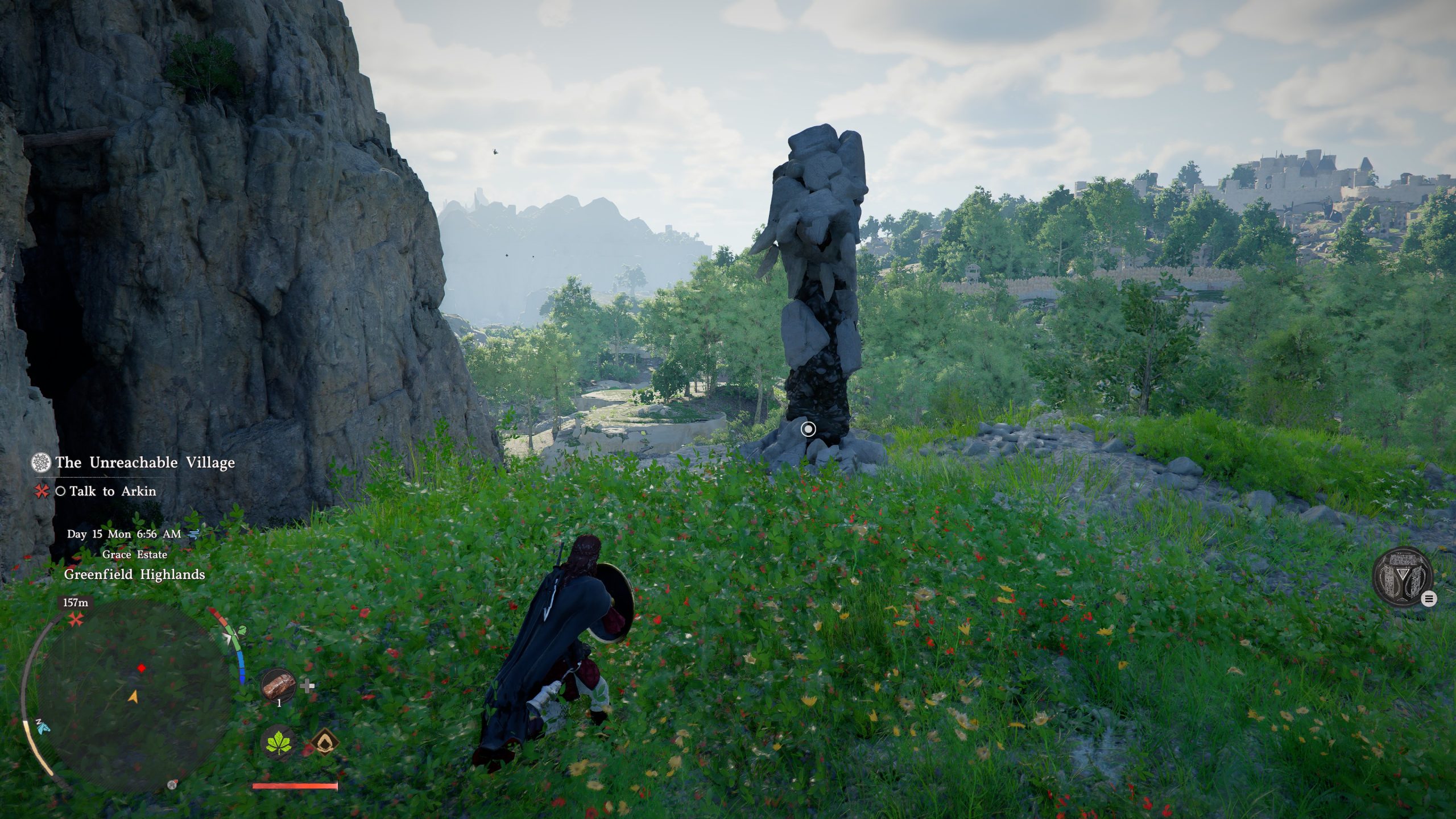
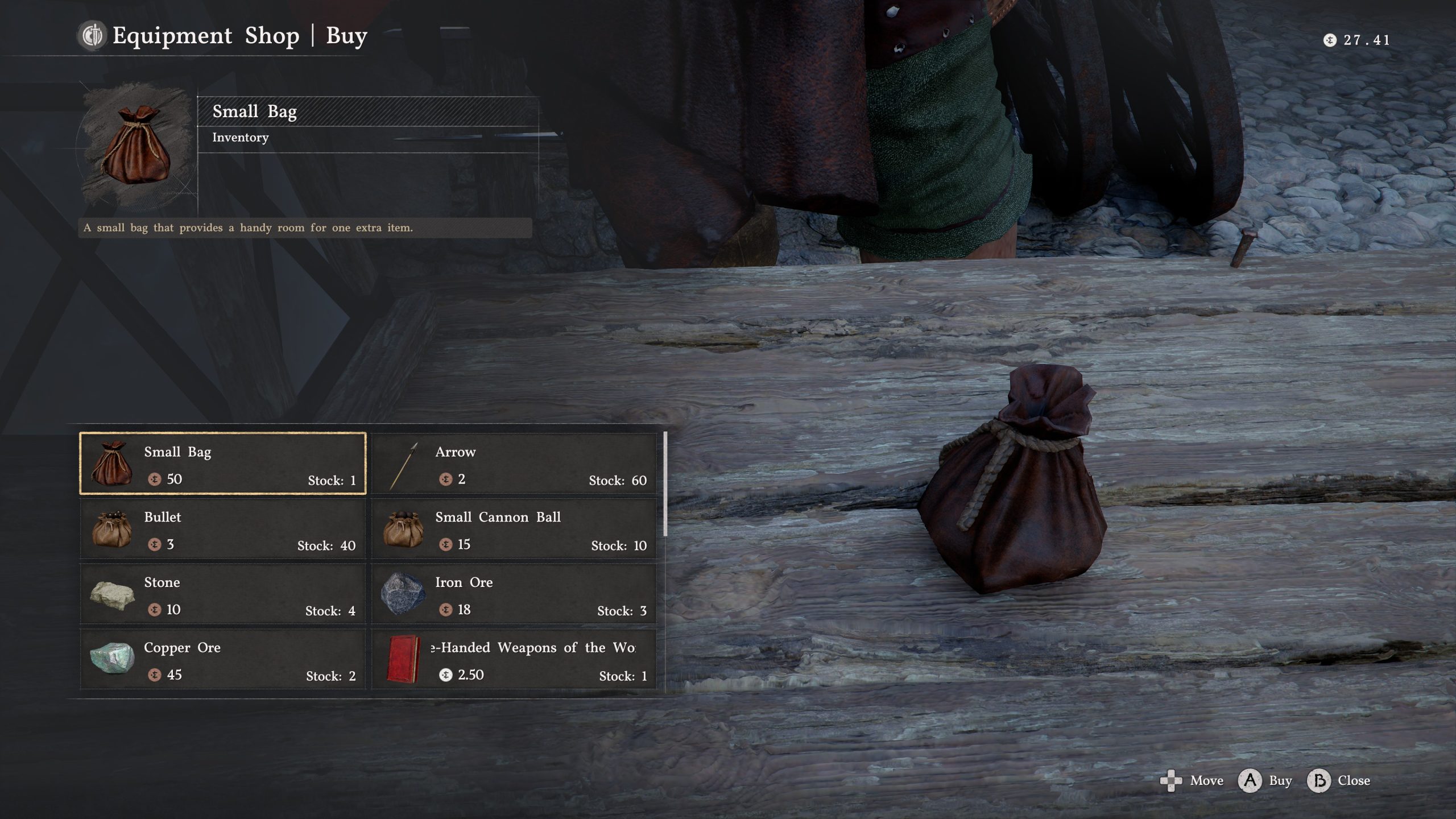
However, the experience is not without its rough edges. The user interface and general controls feel needlessly complicated at times. Simple actions like sprinting or navigating the inventory require more inputs than necessary, creating a sense of clunkiness that contrasts with the fluid combat. The limited inventory space and the placement of vital status bars on the screen are also minor irritants that could benefit from future updates.
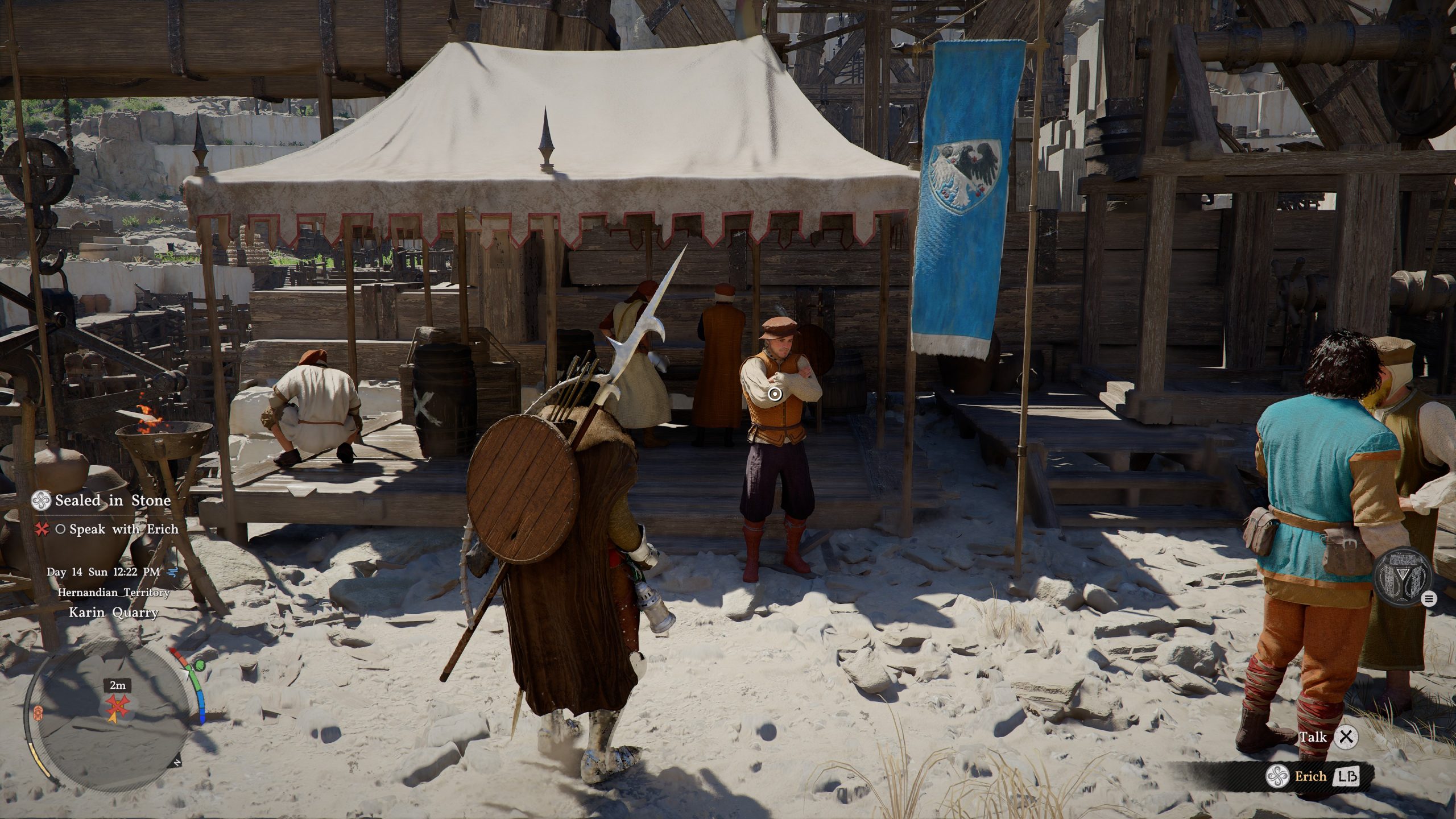
Despite these quality-of-life hurdles, the technical achievement is undeniable. Technical performance is surprisingly robust thanks to the proprietary Blackspace Engine providing stunning visuals and stable framerates. On PC, the game utilizes advanced ray tracing and DLSS technology to maintain high performance without compromising on the breathtaking draw distances and detailed character models that define the world of Pywel.
Visual fidelity remains high even during chaotic scenes filled with particle effects and numerous NPCs. While certain high-end features like Ray Reconstruction are demanding, the game avoids the stuttering issues that have plagued other recent major releases. This optimization ensures that the artistic vision of the developers is translated smoothly to the player’s screen.
In conclusion, Pearl Abyss has crafted something special that could very well be the breakout hit of the year. It captures the sense of wonder missing from many modern titles while pushing the boundaries of combat depth. While the story and interface have room for improvement, the core foundations are strong enough to make this a potential landmark for future open-world development.